 Assistant Professor Laura Mauldin, received Honorable Mention from the American Sociological Association for her 2016 book, Made to Hear: Cochlear Implants and Raising Deaf Children. Published by the University of Minnesota Press (2016).
Made to Hear explores the long-term, multi-year undertaking of cochlear implantation and the experiences of mothers of deaf children as they navigate the health care system and professionals advocating implantation. Mauldin expertly documents that ways in which the medical infrastructure and language encourage compliance by mothers and children with medical technology and a medicalized view of deafness. This book deserves great praise in particular for its strong methodological and theoretical framework, highly informed and well-balanced analysis, and its contributions to a core issue in the field of disability.
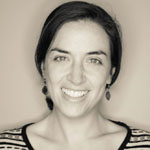 Associate Professor Lisa Eaton recently had a project, Unified Intervention to Impact HIV Care Continuum, funded by the
 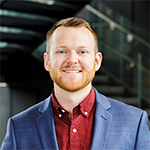 Ryan Watson recently interviewed with the press and radio about his article entitled, “Trends and disparities in disordered eating among heterosexual and sexual minority adolescents” which was published in the International Journal of Eating Disorders. Read the press release by the University of British Columbia.
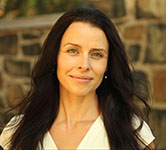 Professor Rebecca Puhl is featured in a New York Times article entitled, Parents Should Avoid Comments on a Child’s Weight, June 16, 2016.
 HDFS’ Professor Steven Wisensale has been named a Fulbright Scholar to Japan for the Spring 2017 term. He will be assigned to Kyoritsu Women’s University (Tokyo) and Yokohama City University (40 miles outside Tokyo) where he will teach two courses: “Family Policy in Aging Societies” and “Baseball Diplomacy in Japanese-U.S. Relations.”
 Marlene Schwartz, director of the Rudd Center for Food Policy and Obesity and professor of Human Development and Family Studies is quoted in an article entitled