Twelve HDFS faculty and ten HDFS graduate students will be giving presentations at the Society for Research in Child Development (SRCD) 2019 Biennial Meeting, on March 21-23.
Faculty
Rebecca Puhl and Ryan Watson’s research featured in UConn Today

 Professor Rebecca Puhl and Assistant Professor Ryan Watson’s research on weight-based bullying of LGBTQ adolescents was featured in UConn Today. Read the article here.
In Memoriam: Michael Ego, Former Stamford Campus Director
 A memorial event for Professor Michael Ego will take place at the Stamford Campus on Saturday, February 2, 2019, from 11-1pm. Read the In Memoriam article here.
Rebecca Puhl interviewed by Huffington Post
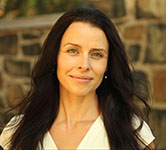 Professor Rebecca Puhl was interviewed by the Huffington Post for an article entitled, “Employers Are Discriminating Against Overweight Women — And It’s Totally Legal”. Read the article here.
Beth Russell and student Kasey Macedo, receive SHARE award
 Congratulations to Associate Professor Beth Russell and student Kasey Macedo, who received a SHARE award for their project The PRISM Project: A Mindfulness Intervention for Substance Abuse.
Laura Mauldin was recently quoted in the NY Times
 Assistant Professor Laura Mauldin was recently quoted in the NY Times in an article on cochlear implants. This reference to her work in the NY Times is a great example of the impact her book (Made to Hear: Cochlear Implants and Raising Deaf Children) has made on the field and on the general public.
Marlene Schwartz’s research featured in UConn Today

Professor Marlene Schwartz and Rebecca Boehm (postdoctoral fellow at the Rudd Center)’s research on how high school students are less likely to choose healthier options when juice is available as part of school lunch was featured in UConn Today.
Lisa Eaton and her program of research featured in UConn Today
 Associate Professor Lisa Eaton’s recent profile and her program of research were featured in UConn Today. Read the article entitled, “Meet the Researcher: Lisa Eaton, Human Development and Family Studies“.
Rachel Tambling and Thomas Bischoff’s research featured in UConn Today
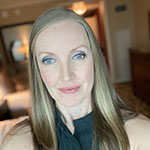
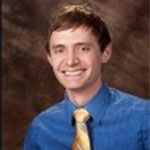
Associate Professor Rachel Tambling and doctoral candidate Thomas Bischoff’s research was featured in an article entitled, “Why Clients Stop Going to Therapy” in UConn Today, and presented at the National Council on Family Relations Conference 2018. Read the article.
Article by Terry Berthot published in NAELA News
 Lecturer Terry Bethelot’s recent article entitled “Winning Against a Stacked Deck: Medicare Hospital Discharge Appeal” was published in the National Academy of Elder Law Attorneys News. Read the article.